How to Choose the Right ATV Quad Bike in Dubai
Choosing an ATV quad bike in Dubai is less about picking the biggest machine and more about matching the ride to the terrain, the rider and the rules. The desert looks open and simple from a distance, but sand changes under the wheels, heat affects both rider and machine, and different bikes behave in very different ways. A careful choice makes the ride calmer, safer and far more enjoyable.
Start with the rider, not the machine
Before looking at quad bike types, be honest about who will ride. Age, height, weight, balance and previous experience all matter. A rider who has never handled a quad should not begin on a powerful sport model, even if it looks impressive. A smaller, predictable bike gives better control while the rider learns how weight shift, steering and braking feel on sand.
Think about the whole group as well. Mixed ability groups often need a middle ground, where beginners can keep pace without experienced riders feeling held back. If children are involved, check age rules and size limits before making plans. A bike that fits properly lets the rider sit upright, reach the controls and keep both feet planted when stopped. If the rider is stretched forward or perched awkwardly, the ride will become tiring quickly.
Decide what kind of riding you want
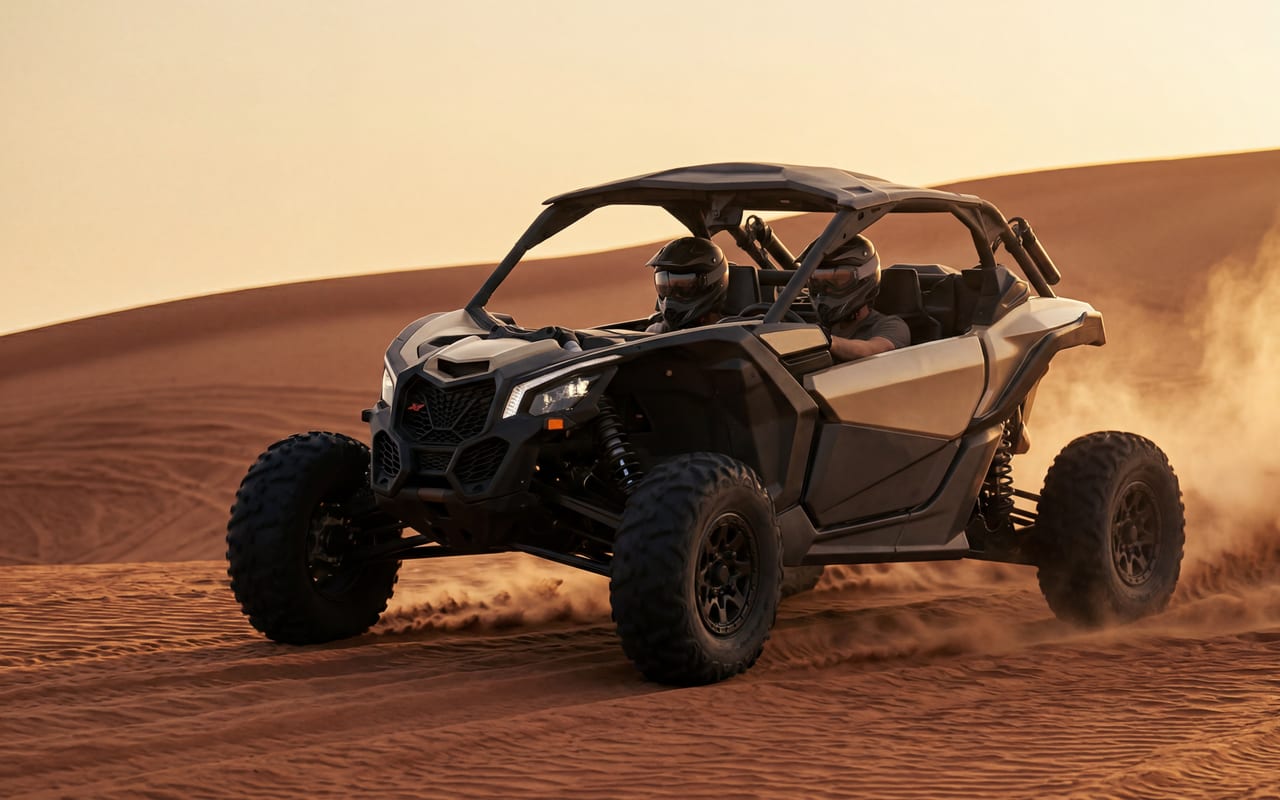
Quad bike types are usually shaped around the riding they suit. Utility bikes tend to be steadier and more practical, with a calmer power delivery. Sport bikes are lighter and quicker, but they demand sharper judgement and better riding technique. Youth or beginner machines focus on manageable speed and easier handling. The right choice depends on whether the day is about gentle desert exploration, a guided tour, or more spirited riding on suitable ground.
For desert terrain, traction and control matter more than top speed. Soft sand can slow a bike down, hide uneven ground and make turns feel heavier. A machine with predictable throttle response helps the rider avoid sudden wheel spin. If the plan includes a sand dune area, the rider needs to understand how to approach slopes, keep momentum and avoid sharp turns across unstable ground. The bike should support good habits rather than encourage risky ones.
Check the legal and local riding boundaries
Rules for riding vehicles in Dubai can vary by area, and permitted zones should be confirmed before any booking or purchase. Do not assume that open desert means unrestricted riding. Protected areas, residential edges, roads and some tourist zones may have limits. Speed limits may apply in designated areas, and local signage should always take priority over what looks practical.
A responsible choice includes knowing where the bike can be used. If the bike is intended for a specific tour or site, ask clear questions about permitted routes, supervision and riding conditions. If it is being bought for private use, confirm registration, insurance and transport requirements through the correct official channels. Paperwork is not exciting, but it can prevent a costly mistake.
Look closely at safety gear and fit
Safety gear is part of the decision, not an accessory added at the end. A helmet should fit snugly without pressing painfully, and it should be suitable for off road riding. Gloves help with grip and protect hands from branches, heat and vibration. Eye protection matters in dusty conditions, especially when other bikes are nearby. Long sleeves, durable trousers and closed footwear reduce scrapes and sun exposure.
Body protection deserves attention too. Chest protection, knee guards and ankle support can make a real difference if a rider slips or the bike tips on uneven ground. In hot conditions, gear still needs to be breathable enough to wear properly. Equipment that is uncomfortable often gets removed, and that defeats the purpose. Check that all straps, buckles and fastenings work before the ride begins.
Research is easier when the details are kept in one place, and atvdubaidesert.com can be useful as a reference point while comparing choices around an atv quad bike dubai outing. A name alone is not enough, though. The decision should still rest on clear facts about suitability, riding conditions and safety.
Compare control, balance and power delivery
The best bike for a rider is usually the one that feels manageable in the first few minutes and remains manageable later. Smooth throttle response is more useful than raw power. Braking should feel predictable, and the lever or pedal should suit the rider's hand or foot position. Suspension should absorb small bumps without making the bike feel vague or unstable.
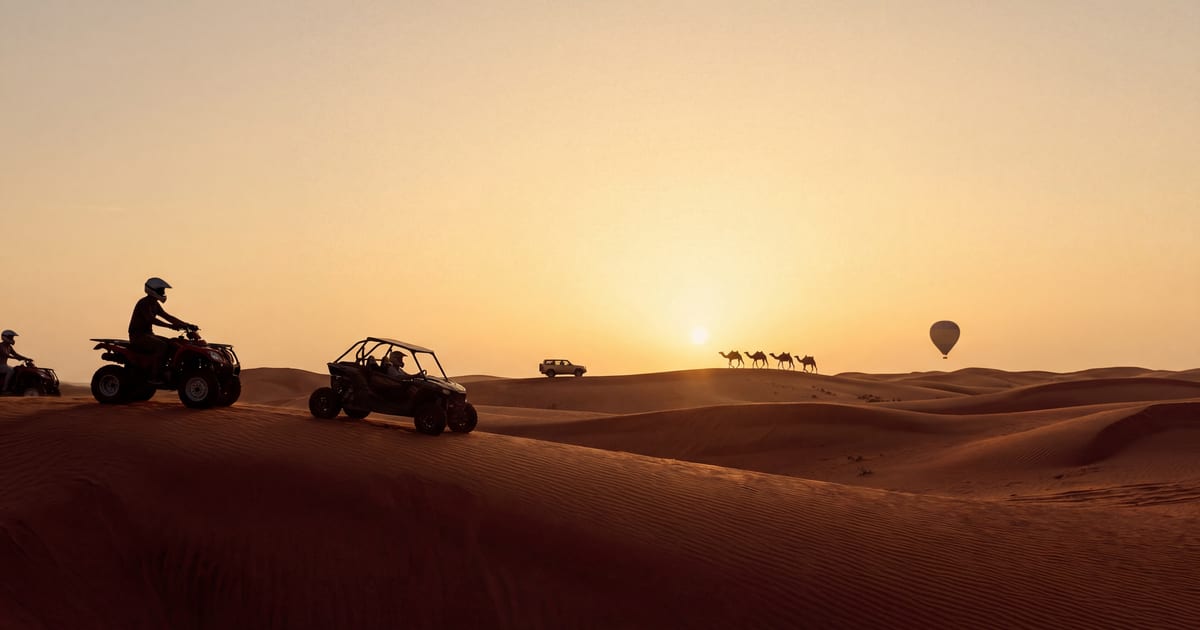
Seat height and weight are practical points that are often overlooked. A rider who can sit squarely and shift weight easily will handle sand dune sections with more confidence. A very tall rider may feel cramped on a compact bike, while a shorter rider may struggle with a high seat. Wide handlebars can help with steering control, but they should not feel awkward for the rider's build.
Automatic transmission is common on many recreational quads and can simplify the learning curve. Manual transmission gives more control to a experienced rider, but it adds coordination. For a first ride or a mixed group, simpler controls usually create a smoother day.
Inspect the bike before committing
A visual check can reveal a lot without tools. Look for clean tyres with clear tread, secure body panels, intact cables and no obvious leaks. Check that the bike sits level on firm ground. Inspect the handlebars, footrests and seat for looseness. Confirm that lights, if fitted, work as expected and that the controls move freely.
Tyres deserve special attention in desert conditions. Underinflated or badly worn tyres can overheat, sag into soft sand or reduce steering response. Overinflated tyres can bounce and lose contact with uneven ground. The correct pressure depends on the bike, tyre and terrain, so follow the manufacturer's guidance and seek advice from a qualified professional when there is doubt. Any mechanical noise, poor braking feel or electrical warning sign should be treated as a reason to pause and get proper help, not as something to ignore for the sake of a ride.
Match the choice to the riding plan
A short introductory ride calls for a different approach from a longer outing. Heat, dust and repeated bumps can wear down concentration. Choose a bike that remains comfortable over the full session, not just during the first few minutes. If the route involves dune bashing or more demanding terrain, extra care is needed with rider ability, supervision and machine capability.
A guided tour can be a sensible option for riders who are unfamiliar with desert conditions. The guidance helps with route choices, riding techniques and group spacing. Even then, the rider still needs to listen carefully, keep a safe distance and avoid showing off. The bike should be chosen with the same caution, whatever the setting.
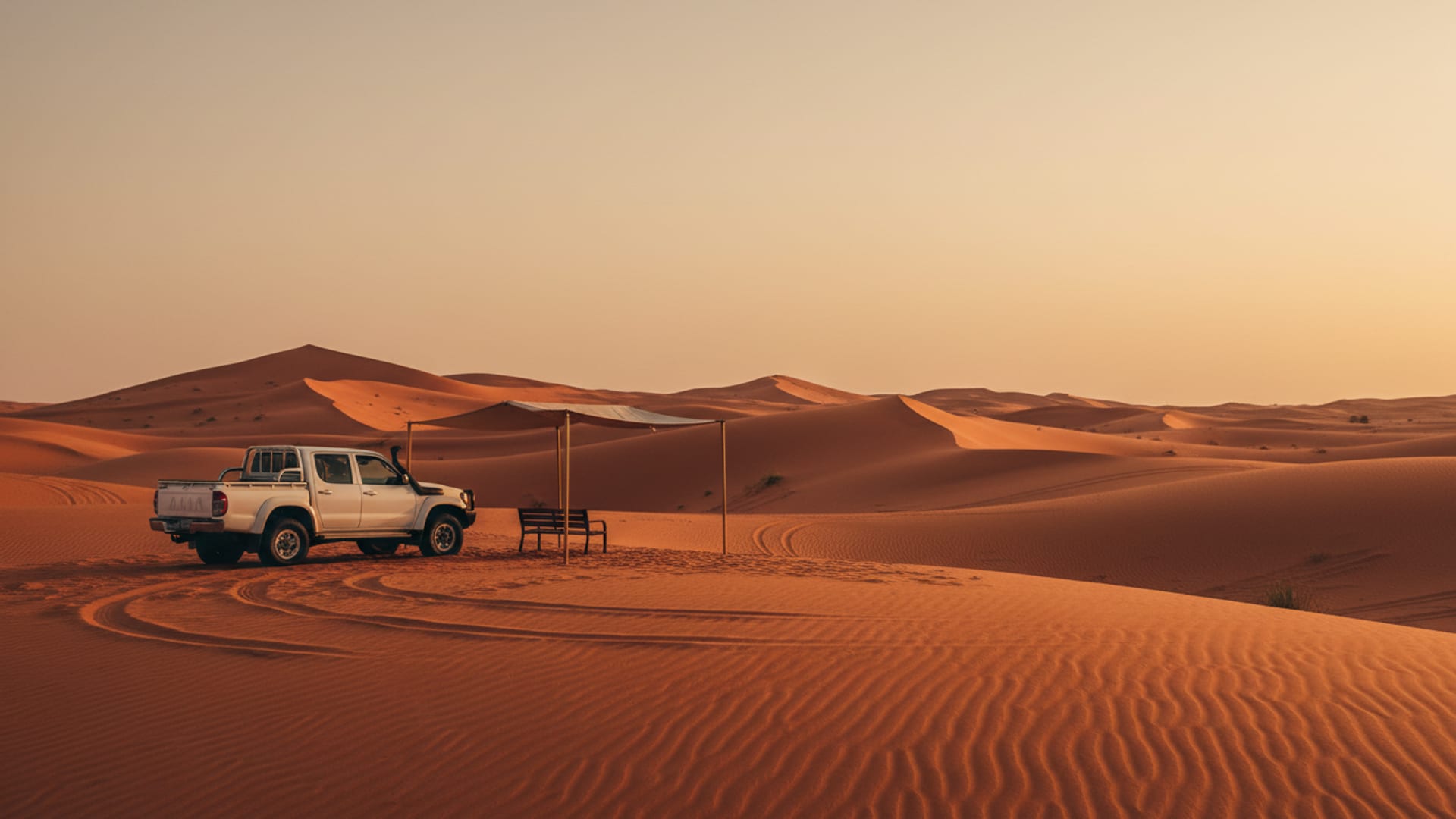
Some riders will also compare a quad with other off road vehicles. A quad gives a more direct feel and requires active balance. That can be part of the appeal, but it also means the rider must stay alert. If someone wants a passive experience with little physical involvement, a different vehicle may suit better.
Make the final decision with clear questions
Before settling on a choice, ask practical questions and listen for precise answers. Vague responses about power, condition or suitability are a warning sign. Clear answers help separate a good match from a bike that merely looks the part.
- Is the bike suitable for the rider's height, experience and riding plan?
- Are the permitted routes and speed limits clear?
- Does the safety gear fit properly and suit hot desert conditions?
- Has the bike been checked for tyre wear, control problems and obvious damage?
- Is help available from a qualified professional if a mechanical issue appears?
The right ATV quad bike in Dubai should feel controlled, comfortable and appropriate for the ground ahead. Strong power matters far less than good judgement. Start with the rider's ability, confirm the riding boundaries, inspect the machine with care and treat safety gear as essential. When those pieces line up, the choice becomes much easier and the desert feels far more welcoming.